Understanding Gout Treatment: What Works and Why
What gout treatment really involves
Gout is a form of arthritis that causes sudden, intense joint pain. It happens when uric acid levels in the blood become too high, and crystals form inside a joint. The body's immune response to those crystals triggers inflammation, swelling, and sharp discomfort. Treatment focuses on lowering uric acid levels, calming inflammation, and preventing future flare-ups. For anyone living with gout, understanding how these treatments work can make managing the condition much more straightforward.
How uric acid builds up and why it matters
Uric acid is a normal waste product from the breakdown of purines, which are compounds found in many foods and also produced naturally by the body. Healthy kidneys filter most of it out through urine. But when the body produces too much uric acid, or the kidneys cannot clear it efficiently enough, levels rise. Once they cross a certain threshold, uric acid can crystallise and deposit in joints, often starting in the big toe. That is the moment gout begins.
Lowering uric acid levels is therefore the cornerstone of gout treatment. Medications such as allopurinol work by reducing the amount of uric acid the body produces. Other drugs, like probenecid, help the kidneys excrete more uric acid. Both approaches aim to keep levels below the saturation point where crystals form. For many people, daily use of one of these medications can prevent flare-ups entirely over time.
Managing acute flare-ups when they happen
Even with good long-term control, a sudden attack can still occur. When it does, the goal shifts from prevention to calming the inflammation quickly. Nonsteroidal anti-inflammatory drugs, or NSAIDs, are a common first choice. They reduce joint inflammation and ease pain within hours. Colchicine is another option, often used specifically for gout. It works by blocking the inflammatory response that the crystals trigger. Because it can cause digestive side effects, doctors usually prescribe it in short courses.

Ice packs, rest, and keeping the joint elevated can also help during an attack. Staying well hydrated supports kidney function, which may help the body clear uric acid more efficiently. Some people find that avoiding high-purine foods during a flare-up reduces the severity, though dietary changes are more effective as a long-term strategy than as an emergency measure.
Dietary changes that support treatment
What you eat and drink directly affects uric acid levels. Reducing intake of purine-rich foods such as red meat, organ meats, and certain shellfish can help. Sugary drinks, especially those sweetened with fructose, have also been linked to higher uric acid levels. Alcohol, particularly beer, can raise production of uric acid and make it harder for the kidneys to excrete it. Cutting back on these items often leads to noticeable improvements.
On the other hand, some foods and supplements may help lower uric acid levels naturally. Cherry extract, for example, has been studied for its potential to reduce uric acid and calm inflammation. Low-fat dairy products, coffee, and foods rich in vitamin C have also shown modest benefits. It is worth noting that dietary changes alone are rarely enough for people with chronically high uric acid levels, but they can reduce the dose of medication needed and make flare-ups less frequent.
The role of supplements and supportive care
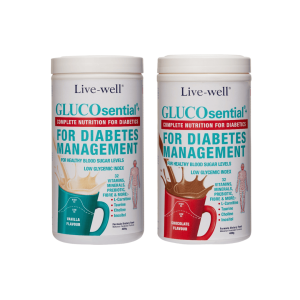
Beyond prescription medications and diet, some people turn to targeted nutritional support to help manage gout. Livewell2u offers dietary supplements that may complement a gout treatment plan, including formulas aimed at joint health and general wellness. While no supplement replaces medical treatment, certain nutrients can support the body's natural processes for controlling inflammation and maintaining healthy uric acid levels.
Cherry extract and vitamin C are among the more commonly discussed options. Vitamin C may help the kidneys excrete uric acid more effectively, though large doses are not recommended without medical guidance. Omega-3 fatty acids, found in fish oil, are known for their anti-inflammatory properties and may help reduce joint stiffness during a flare-up. It is always a good idea to discuss any supplement with a healthcare provider, especially when taking medications like allopurinol or colchicine, to avoid unwanted interactions.
Hydration and lifestyle factors
Staying hydrated is one of the simplest and most effective ways to support gout treatment. Water helps the kidneys flush out uric acid, keeping levels lower. Dehydration, by contrast, can concentrate uric acid in the blood and trigger an attack. Aiming for enough fluid intake so that urine is pale yellow is a practical guideline for most people.

Weight management also plays a significant role. Excess body fat increases uric acid production and makes it harder for the kidneys to keep up. Losing weight gradually, through a balanced diet and regular physical activity, can lower uric acid levels and reduce the frequency of flare-ups. Crash diets, however, can have the opposite effect by releasing uric acid from broken-down tissues, so slow and steady changes are better.
Regular exercise supports joint health and overall well-being. Low-impact activities such as walking, swimming, or cycling are gentle on the joints and can be continued even during mild symptoms. Strenuous exercise during an active flare-up is usually not advised, as it can increase inflammation and prolong recovery.
What to expect from long-term treatment
Gout treatment is not a one-size-fits-all approach. Some people respond well to a single medication, while others need a combination of drugs and lifestyle adjustments. Regular monitoring of uric acid levels through blood tests helps guide treatment decisions. Many people find that after several months of consistent management, their uric acid levels stabilise, and flare-ups become rare.
It is also common to experience occasional setbacks. Stress, illness, or even a minor injury can sometimes trigger a flare-up even when uric acid levels seem well controlled. The key is to stick with the plan and adjust as needed. Working closely with a healthcare provider ensures that treatment remains effective and safe over the long term.
For those exploring additional support, Livewell2u provides a range of supplements that may fit into a broader wellness routine. Keeping the body well nourished and supporting joint health can make the day-to-day experience of managing gout more manageable.
Practical takeaways
Gout treatment works by addressing the root cause: high uric acid levels. Medications like allopurinol reduce production, while others help the kidneys remove more. Acute attacks are managed with anti-inflammatory drugs, colchicine, and simple home care. Dietary changes, hydration, and weight management all support these medical interventions. Supplements, including cherry extract and vitamin C, may offer additional help but should be used alongside professional medical advice.
The condition can feel overwhelming at first, but most people find that a consistent routine brings lasting relief. Understanding the mechanics of gout treatment makes it easier to stick with the plan and recognise what works for your own body. With the right combination of medication, diet, and lifestyle habits, living well with gout is entirely possible.